



NEHORIA

The journey

How the work actually moves.

Not a programme and not a ladder. This is the shape transformation tends to take, described honestly, from the first noticing to the day it reaches the people you love.

Five steps, and none of them is skippable by reading faster

The five rooms are the five things the work asks of a person, in the order they usually arrive. You may walk them in any order, and most people loop back through all of them more than once. Wherever you are standing tonight, one of these is the room you are in.

Step one · see

You start to notice

The First Light

A man standing at an open window in early morning light

Nothing is being fixed yet. A question arrives at breakfast and stays with you until the evening, and you catch yourself doing the thing you always do. What felt like “just who I am” becomes a thing you do, and a thing you do can be looked at. Noticing is not a small stage. It is the whole beginning, and it cannot be skipped by reading faster.

Step two · open

You go back to where it began

The Deep

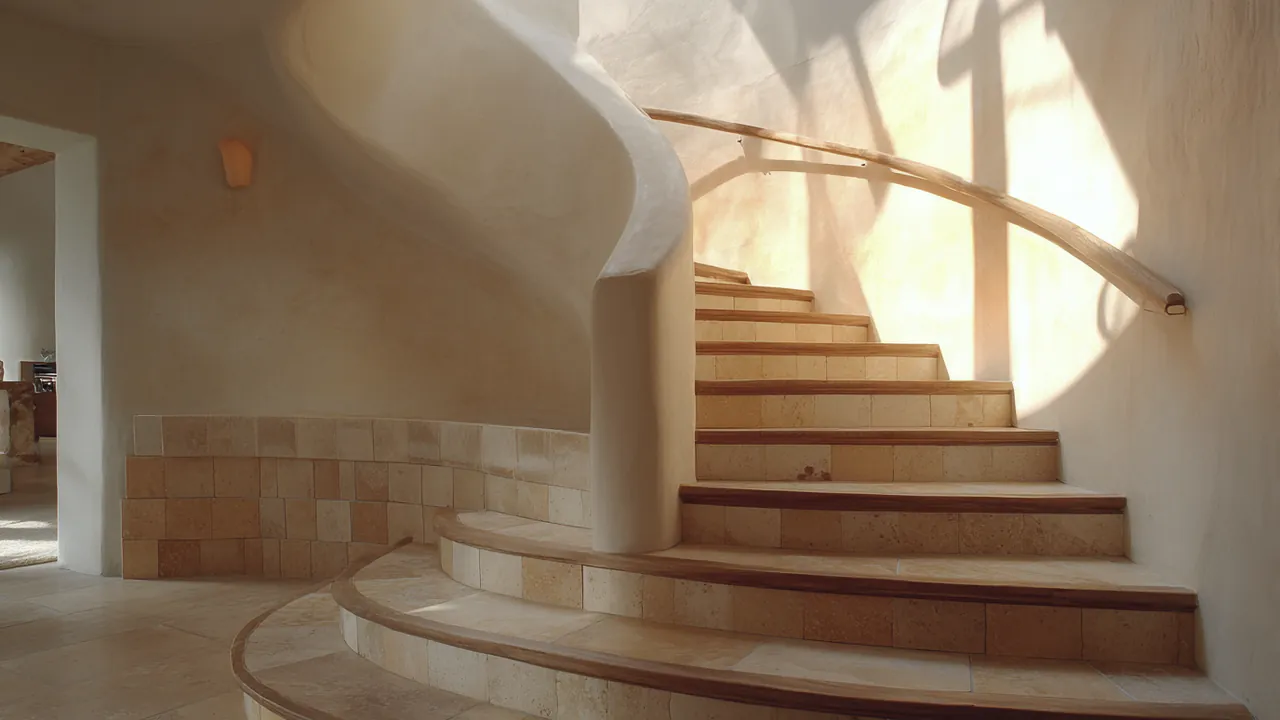
A man sitting on the lower steps of a sunlit stone stairway

What you noticed has a history. It was built young, out of a real situation, and it worked; nothing in you was ever against you. This is the descent: guided days that follow the pattern back to the house it was learned in, and meet it there with warmth instead of a verdict. The books here have the return built in, because a descent without a return is just a hole.

Step three · hold

You learn to stay

The Anchor

Two hands around a warm mug on a windowsill at first light

Depth stirs things up, and the stirring arrives at inconvenient hours. This is the part most programmes leave out: what to do at two in the morning, how to put the day down before sleep, how to give an intense hour somewhere to go that is not a decision. The feeling is not the problem. It is pointing at where you left yourself, and staying with it is done with warmth, never with force.

Step four · keep

It becomes ordinary

The Practice

A woman writing at a sunlit desk, pausing to look out of the window

The insight is not the change. The change is what survives an ordinary Tuesday. Three minutes in the morning, three at night, one honest page on Sunday, and a season of kind attention on the one pattern you chose. Nothing here keeps score, because nothing alive changes in a straight line, and this room's real job is to make itself unnecessary.

Step five · give

It leaves you

The Shared Light

A small round table by a bright window, set with two cups and white flowers

Everything before this happened alone, and alone is where it stops. The work becomes real the day it reaches the people around you: the no said kindly and kept, the distance named instead of endured, the closeness risked again. This is where what you found is tested, and where it is handed on. The circle closes here, back at the first truth: nothing was ever missing.

“Depth stays. Blame goes.”

How every question here is written

Room by room

What a tool from each room actually is

The five steps above are the shape of the work. These are the five shapes the tools themselves take, so you know what you are holding before you buy it, with every tool of the house on its shelf.

The First Light

the first seeing

Cards and questions that slow an ordinary day down without asking for an hour of it.

A First Light tool is one question, sized to travel with you. A deck of cards you cut once and keep for years, or a five-page visit to one specific knot: the overthinking, the decision, the fear that might be knowing. Nothing asks for an hour, and nothing needs to be finished.

The shape of a week

  1. Draw oneOn Sunday, or whichever day begins your week.
  2. Read it once, slowlyOnce is enough. Reading it five times is not deeper.
  3. Let it follow youAt breakfast, on the walk, in the pause before sleep.
  4. Give it a second weekIf a card opened more than you expected, stay with it.

Everything in this room

The Deep

the descent

Shadow work, emotional patterns, the inner child, boundaries, grief. The longer books live here, and so does the deepest light.

A Deep book is a guided descent with a return built into it. Forty days, or seven, or five focused pages on one old road: the apology reflex, the inherited pattern, the unsent letter. An arc carries you rather than a pile of prompts you have to organise yourself.

The forty-day arc

  1. NoticeDays 1 to 10. Reactions, patterns, masks, the body, the quiet wanting.
  2. TraceDays 11 to 20. The younger self, the early conclusions, the family house.
  3. MeetDays 21 to 30. The critic, the guard, the anger, then acceptance and forgiveness.
  4. ReturnDays 31 to 40. Recovered gifts, permission, power held kindly, purpose.

Everything in this room

The Anchor

the held hour

Gentler tools for anxious hours, for sleep, for the body, for an afternoon that needs to be quieter than the one before it.

An Anchor tool is for the hour itself, not for afterwards. It works by hand rather than by willpower, which is the only thing that works when the hour is already loud.

Ten minutes down

  1. UnloadThe day and the worries go onto paper, where they keep until morning.
  2. SoftenThe body is found, thanked, and lowered, light by light.
  3. DescendA written descent, read slowly, that walks you down the last stretch.
  4. Or take the hourThe Quiet Hour has six movements: arrive, settle, listen, write, rest, return.

Everything in this room

The quiet prints, $6 each

The Practice

the kept flame

Small practices built for the person you are on an ordinary Tuesday, not on your most inspired day.

A Practice tool is deliberately short. Depth here comes from repetition rather than length, and the pages are built to be printed in stacks and reprinted for years. Its real job is to make itself unnecessary.

A day, and then a season

  1. Morning pageThree minutes, before the phone. The day begins with your voice in it.
  2. Evening pageThree minutes, before sleep. The day gets a proper ending.
  3. Weekly intentionOne Sunday page, and one honest review of the week behind it.
  4. The seasonOne pattern, ninety days of kind attention, no punishment for gaps.

Everything in this room

The Shared Light

the handing on

Saying no, naming the distance, being close. Where the work stops being private, which is where it is really tested.

A Shared Light tool takes something the inner work found and walks it into a real relationship: a sentence said out loud, a distance named, a closeness risked again. These are the shortest books in the house and the ones whose pages happen partly outside them.

The shape of a handing on

  1. Find the sentenceOn paper first, where it can be wrong a few times safely.
  2. Rehearse it onceOut loud, alone. The mouth needs to have said it before it counts.
  3. Say it to the personOnce, warmly, without an essay attached.
  4. See what it stirredBack on paper. Every saying teaches you where the next page is.

Everything in this room

Browse the whole house

Five honest notes about this

A gap is a rest, not a failure. Nothing here keeps score. If you miss a week, or a season, you simply continue. Returning is the skill, and the tracker in The Practice is built so that missed days carry no punishment.

You will not finish. There is no completed state, and any product that promises one is selling relief rather than change. What there is: a pattern you can now see coming, and a practice small enough to keep.

The stirring is normal, and it is the reason The Anchor exists. Honest questions loosen things, and the loosening arrives at inconvenient hours. That is not a sign it is going wrong. It is the reason the calm tools are in the house at all.

The last room is the point. It is easy to make inner work a beautiful private hobby. The Shared Light is in the house to keep it honest: what you found becomes real when it reaches another person, and not before.

This is not therapy. These are educational self-reflection tools. They work alongside professional care and never replace it. If childhood material is heavy, please walk it with a qualified professional beside you.

Nothing here will add anything to you. It will help you find what was already there.